Services · 05
Metal roofing.
Standing-seam steel is the most expensive roof we install and the last one you’ll buy. It’s right for some houses and wrong for others, and we’ll tell you which yours is before you spend the money.
What standing seam is.
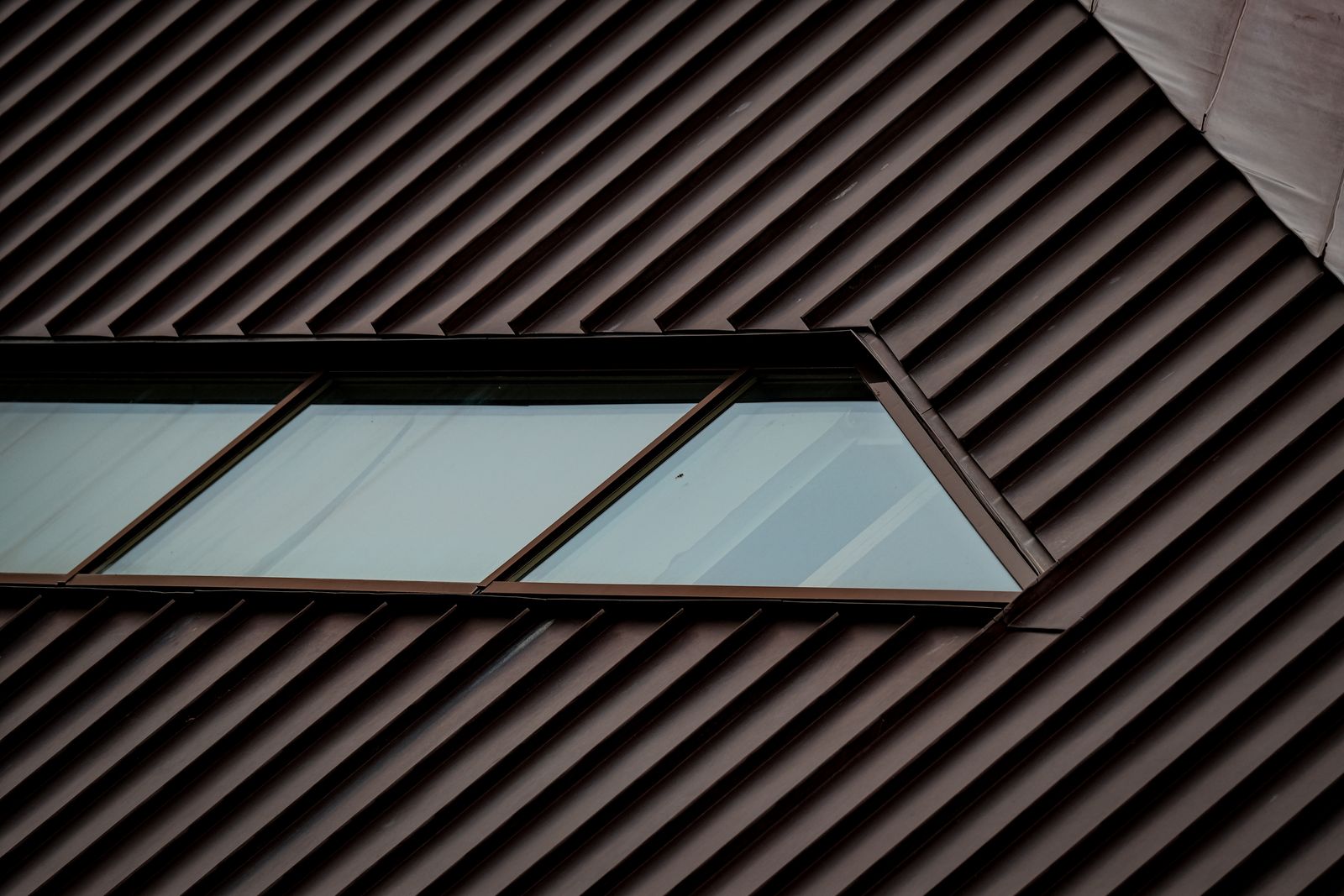
Steel panels — 24-gauge, with a factory Kynar finish that holds its color for decades — running in one piece from the eave to the ridge. The panels are held down by clips hidden under the seam, so there is not a single exposed screw on the roof to back out, rust or leak. The seams stand up off the surface, which is where the name comes from and why water can’t get into them.
That’s different from the corrugated or “ag panel” metal with exposed screws through the face. Those roofs are cheaper and they have their place — on a barn — but every one of those screws has a rubber washer, and the washer has a lifespan.
Who it’s for.
- The house you’re staying in. A steel roof outlives two or three asphalt roofs; that’s where the money goes.
- Simple roof shapes. Long, clean planes suit metal. A roof with a dozen dormers and valleys suits it less, and costs more to do well.
- Mountain-style and modern homes, where the look is the point.
- Outbuildings, shops and barns, where you’d rather never think about the roof again.
- Anyone in a homeowners’ association should check the covenants first. Some allow it, some allow certain colors, some don’t.
Hail, snow and noise — honestly.
Hail dents metal. Big Front Range stones will leave marks you can see from the ground, and while the roof almost never leaks from it, many policies exclude cosmetic damage on metal roofs. Read yours, or ask your agent, before you choose it for hail reasons. There are impact-rated metal panels; they cost more.
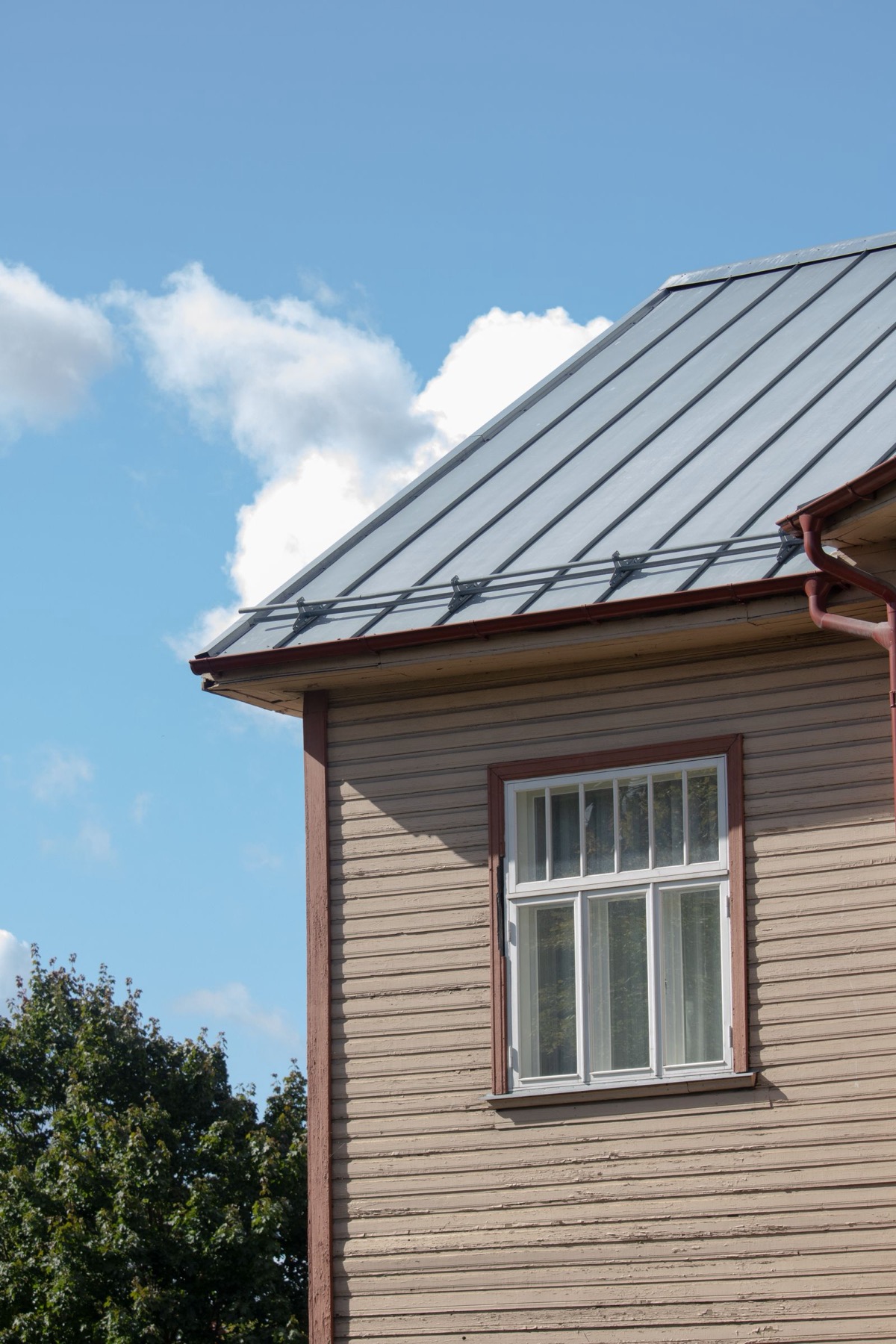
Snow slides off metal in sheets, all at once, which is a good thing over open ground and a dangerous thing over a front door, a walkway or a gutter. We put snow retention where it’s needed and nowhere else.
Noise is mostly a myth. Over a solid deck with underlayment, a standing-seam roof in a rainstorm is no louder than shingles. The tin-roof sound people remember is a barn with nothing under it.
Skylights and penetrations.
Every hole in a metal roof is a place to get it wrong. Skylights go in on a curb, flashed into the seams, not sealed to the surface. Vents and pipes get boots made for metal. We’d rather move a skylight six inches to land it between seams than caulk it where it is.
Thinking about steel?
Send us a photo of the house. We’ll tell you whether the roof shape suits it before anyone drives out.